




Respiratory care in Nigeria is more important than ever. With new and emerging viruses affecting the lungs and breathing of children, older adults, and people with existing health conditions, knowing how to protect yourself and your family matters. One of such viruses is Human Metapneumovirus (HMPV).
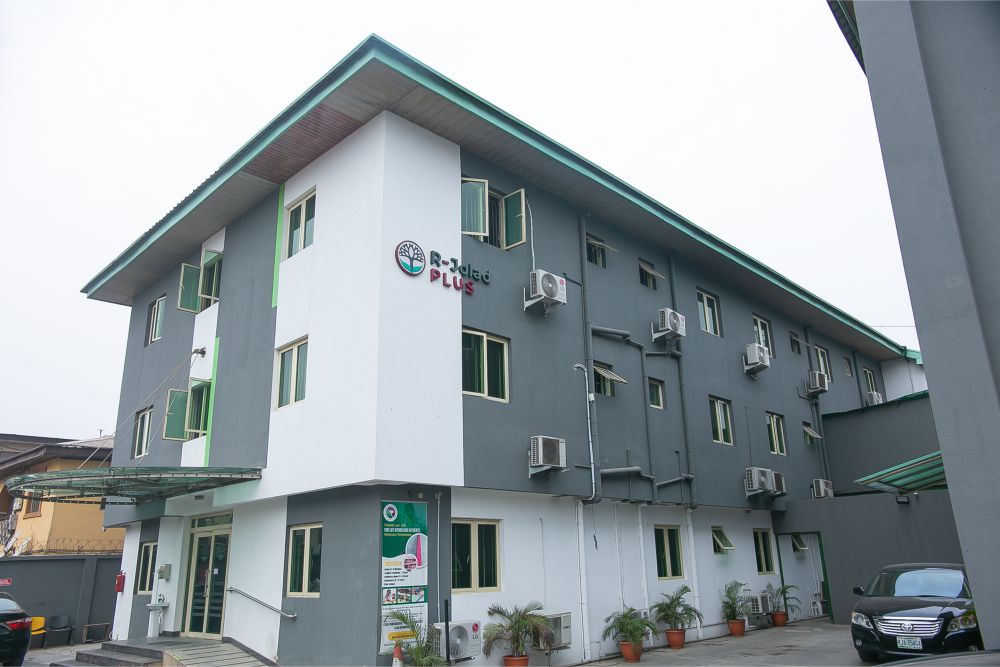
At R-Jolad Hospital, we prioritize top-tier respiratory care in Nigeria by providing information, diagnostics, and treatment to help prevent serious lung illness. In this article, you’ll learn what HMPV is, who is most at risk, how it spreads, what symptoms to watch out for, how to prevent it, and when to seek expert care at R-Jolad.
What is HMPV?
- Human Metapneumovirus, or HMPV, is a virus that was discovered in 2001. It belongs to the Paramyxoviridae family, the same family that includes other respiratory viruses like RSV (Respiratory Syncytial Virus).
- It’s very common. Most children are exposed by age 5. For healthy individuals, the symptoms are often mild, like a cold or flu. But in vulnerable people, it can cause more serious respiratory illnesses like bronchiolitis or pneumonia.
Who is Most Vulnerable to Severe HMPV?
Some people handle HMPV with mild symptoms, but others are at higher risk of complications. These include:
- Infants and very young children
- Older adults (65+)
- People with weakened immune systems (e.g., undergoing cancer treatment, organ transplant recipients)
- Individuals with existing respiratory problems (asthma, COPD) or heart disease
Due to these risks, respiratory care in Nigeria must be accessible, especially for these vulnerable groups.
How HMPV Spreads
Understanding how HMPV transmits helps with prevention. Key ways include:
- Respiratory droplets — when someone who is infected coughs, sneezes, or talks, droplets carrying the virus can be inhaled by others.
- Touching contaminated surfaces — the virus can survive hours on surfaces like door handles, tables, and mobile devices. If you touch your face after, an infection can happen.
- Close personal contact — hugging, shaking hands, or being near someone sick increases risk.
Symptoms of HMPV You Shouldn’t Ignore
Many of the early symptoms of HMPV are the regular cold or flu, but there are warning signs. Watch out for the following:
- Runny or stuffy nose
- Persistent cough
- Sore throat
- Wheezing or noisy breathing
- Shortness of breath
- Fever and chills
- Especially in infants or older adults, difficulty breathing needs immediate attention.
If symptoms worsen after a few days, or if you fall into a high-risk group, seeing a healthcare provider is very important.
How to Prevent HMPV: Tips from R-Jolad Hospital
Effective respiratory care in Nigeria includes prevention strategies. R-Jolad recommends:
- Good hand hygiene
- Wash your hands often with soap and warm water for 20 seconds
- Use alcohol-based hand sanitizers when handwashing isn’t possible
- Clean commonly touched surfaces
- Disinfect door knobs, phone screens, and countertops regularly
- Boost your immune system
- Eat a healthy diet with fruits, vegetables, and proteins
- Stay active, get enough sleep
- Manage stress
- Avoid close contact with sick people
- Maintain distance when possible
- Wear masks in crowded or poorly ventilated spaces
- Seek medical attention early
- When symptoms persist or worsen, especially for high-risk groups
- Don’t wait too long — early diagnosis and treatment improve outcomes significantly
Why Choose R-Jolad for Respiratory Care in Nigeria
Here are the key reasons R-Jolad stands out when it comes to respiratory care:
- Experienced Medical Team – R-Jolad has specialists trained to diagnose and manage respiratory viruses like HMPV and treat complications in vulnerable patients.
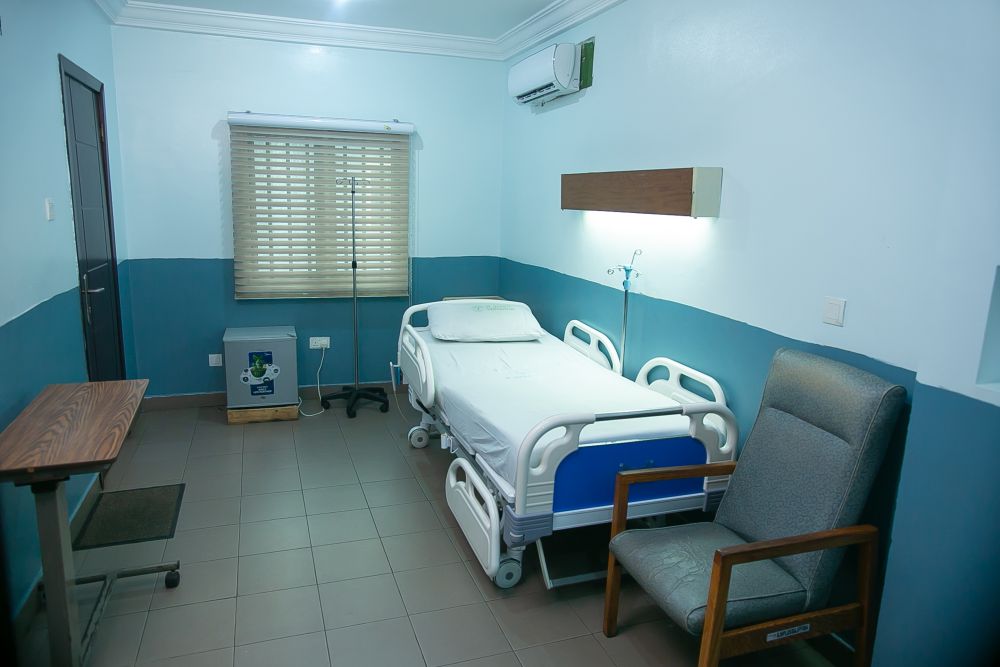
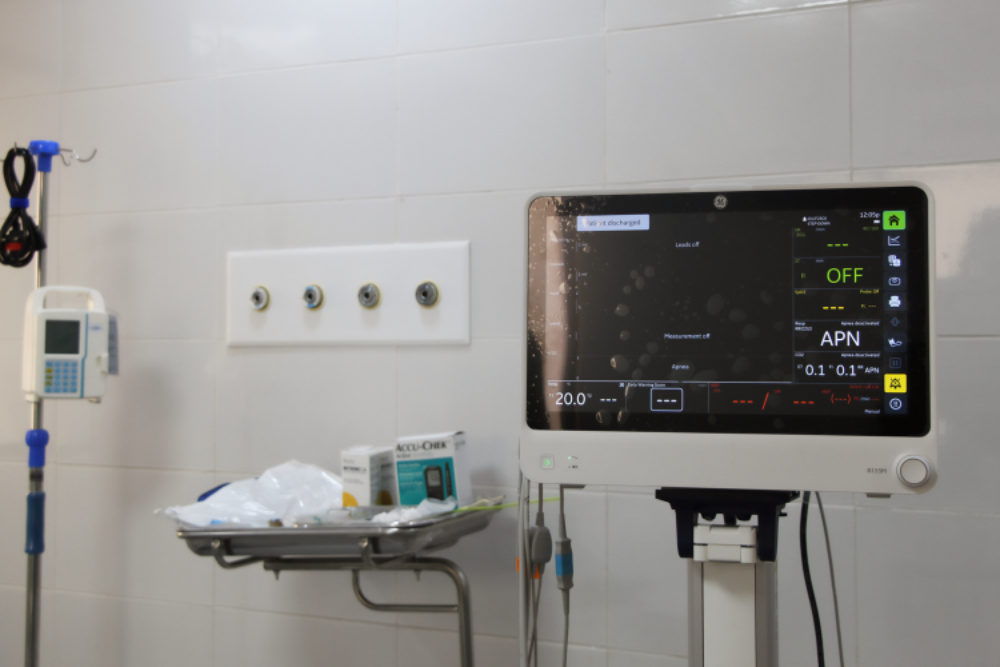
- Advanced Diagnostic Tools – Capability to test for respiratory viruses, perform imaging, monitor oxygen levels, and manage severe cases.
- 24/7 Emergency Care – For severe respiratory distress or complications, R-Jolad offers round-the-clock emergency services.
- Patient-Centered Treatment Plans – Treatment is tailored. It’s not one-size-fits-all. People with chronic illness get special monitoring; children and older adults are treated with extra care.
- Accessibility – Multiple locations, clear contact lines, making it easier for people from different parts of Lagos to access respiratory care services.
How R-Jolad Treats HMPV and Complications
Once HMPV is suspected or diagnosed, R-Jolad follows a thorough care process:
- Assessment of symptoms, medical history, and risk factors
- Diagnostic testing (virus tests, chest x-rays, blood work)
- Supportive care: fluids, rest, managing fever, respiratory support if needed
- Oxygen therapy or hospitalization if breathing becomes difficult
- Monitoring and follow-up, especially for high-risk patients
Timely care reduces the risk of pneumonia, bronchiolitis, and severe complications.
Respiratory Care in Nigeria: Challenges & How R-Jolad Helps
While many places face obstacles in delivering respiratory care, R-Jolad is working to overcome them:
Challenges include:
- Limited awareness of newer respiratory viruses like HMPV
- Delay in care due to cost or access
- Overcrowded clinics, limited respiratory equipment in some hospitals
- Seasonal spikes of respiratory illnesses, making capacity stretched
R-Jolad’s solutions:
- Public education campaigns (blogs, community outreach) to raise awareness about HMPV and respiratory viruses
- Free or subsidized consultations during outbreaks or ‘health events’ to reduce delays caused by cost
- Investment in respiratory care infrastructure: oxygen supply, ventilators, ICU support
- Training of staff to recognize severe respiratory symptoms quickly
When to Seek Care: Red Flags
Knowing when to see a doctor can save lives. At R-Jolad, we urge you to come in if:
- You or a loved one has difficulty breathing or shortness of breath that worsens
- Chest pain, bluish lips or face, extreme fatigue
- A fever that doesn’t respond to medication for several days
- In young children: poor feeding, lethargy, high fever, wheezing
- In older adults: any sign of breathing difficulty or worsening cough
Early intervention is a hallmark of strong respiratory care in Nigeria.
Tips for Families & Caregivers
If you care for someone at higher risk, here’s how you can help:
- Keep the home clean and well-ventilated
- Avoid exposing them to smoke, pollutants, and crowded places during respiratory outbreaks
- Encourage flu vaccine / RSV vaccine if available, though vaccines specific to HMPV are still under research
- Monitor symptoms carefully and seek help early
Preventive Calendar & Health-Maintenance
To maintain strong respiratory health, consider:
- Seasonal checkups — especially before rainy or cold seasons when respiratory viruses spike
- Routine vaccinations (influenza, pneumonia) where available
- Healthy lifestyle: no smoking, regular physical activity, balanced nutrition
- Indoor air quality: clean air filters, avoid indoor smoke, and good ventilation
How to Access R-Jolad’s Services for HMPV and Other Respiratory Care
Here’s how you can reach out to R-Jolad:
- Call or visit any of R-Jolad’s multiple locations across Lagos (Gbagada, Gbagada Plus, Isolo, Agege, Bariga, etc.) rjolad.com
- Use emergency contact lines if breathing difficulty is severe. Tel: +234-7000756523
- Schedule a consultation with respiratory specialists for symptoms that persist beyond a few days
- Check for any special respiratory care campaigns or subsidized programs
Why Respiratory Care in Nigeria Needs to Be Strong Now
- Rising urban pollution, climate change, and exposure to particulate matter increase respiratory risks
- Popular viruses like HMPV, RSV, and influenza spread fast, particularly in crowded or poorly ventilated settings
- Health infrastructure must keep up with seasonal spikes and the needs of vulnerable groups
Hospitals like R-Jolad show that with awareness, investment, and good medical practice, respiratory care in Nigeria can be world-class.
Summary: Key Takeaways
- HMPV is common and usually mild, but risky in infants, older adults, and people with underlying illnesses
- Early symptoms may seem harmless, so awareness is vital
- Prevention (hygiene, clean air, boosting immunity) matters a lot
- Expert respiratory care from established hospitals like R-Jolad improves outcomes significantly
- R-Jolad offers diagnostic tools, emergency care, and trained staff to handle HMPV and other respiratory illnesses
Final Thoughts
Respiratory care in Nigeria is not just about treating illness—it’s about preparing communities, protecting vulnerable groups, and responding quickly. At R-Jolad Hospital, we believe excellence in respiratory health starts with education, prevention, and accessible expert care.
If you or your loved ones ever face respiratory symptoms, don’t wait. Seek care early. Trust your lungs to specialists. R-Jolad is here for you—offering advanced diagnostics, compassionate treatment, and 24/7 respiratory care.