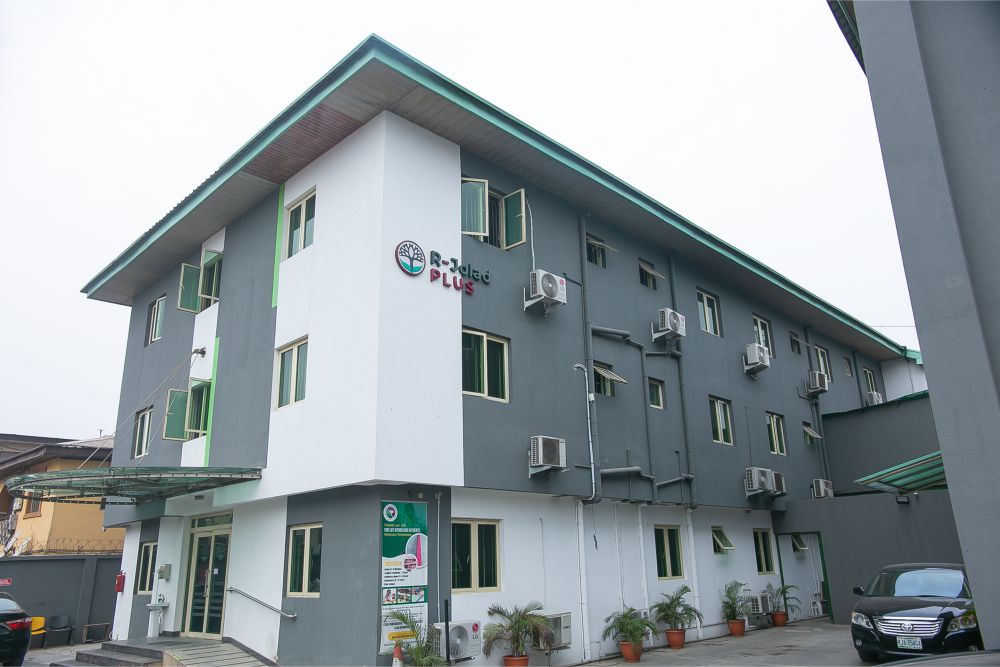





At a time when healthcare systems across the world are being tested, the need for strong leadership in medicine has never been more acute. In medical leadership training in Nigeria, hospitals that combine clinical excellence with strategic capacity building are raising the bar for what patients can expect. R-Jolad Hospital is at the forefront of this shift. On May 27, 2025, R-Jolad launched an intensive healthcare management and leadership development program for senior residents in collaboration with AfyA Care. This initiative underscores R-Jolad’s commitment not only to treat illness but to shape the future of healthcare through leadership. rjolad.com
Why Medical Leadership Training in Nigeria is Essential
Addressing Systemic Challenges
Nigeria’s healthcare landscape is characterised by a mix of opportunities and bottlenecks: understaffed institutions, limited infrastructure, systemic inefficiencies, and an evolving burden of both communicable and non-communicable diseases. Without strong leadership, even well-resourced clinical teams struggle to deliver consistent, quality care.
Medical leadership training isn’t just about promoting doctors or giving administrative tasks. It is about equipping clinicians with the ability to:
- Guide teams across specialties
- Manage hospital operations efficiently
- Navigate change and drive innovations
- Balance patient welfare with systemic resource constraints
These leadership skills help reduce delays, improve patient safety, and bridge gaps between policy and practice. R-Jolad’s program recognizes that the future of care in Nigeria depends just as much on strategic vision as medical skill.
Empowering Residents Beyond Clinical Skills
Most training programs in Nigerian hospitals focus heavily on clinical competencies—how well you diagnose, treat, perform procedures. But modern health care also relies on leaders who can think, plan, and manage. “Medical leadership training in Nigeria” means learning not only how to care, but how to organise care, how to lead teams, how to respond to health emergencies, and how to maintain quality under pressure.
R-Jolad Hospital’s Senior Resident Healthcare Management Training Program
A Strong Collaboration
R-Jolad partnered with AfyA Care, a reputed organization with expertise in health systems strengthening and leadership development. Together, they designed a training schedule that included lectures, workshops, and interactive sessions focused on healthcare leadership, hospital operations, strategic management, and organizational best practices. rjolad.com
Core Training Components
- Leadership Lectures & Workshops
Residents were exposed to structured sessions on leadership theory, conflict resolution, team building, and strategic decision making. These are essential for anyone hoping to assume roles beyond the ward—roles like department head, policy advocate, or hospital administrator. - Hospital Operations & Management Skills
Understanding the non-clinical side of health care is vital: managing supplies, understanding patient flows, optimizing bed capacity, standardizing protocols, budgeting, data management, and using technology effectively. - Strategic Planning & System Thinking
Residents analyzed case studies of health system challenges in Nigeria, practiced strategic planning exercises, and learned to anticipate challenges—from financing to community health dynamics. - Hands-On Application & Mentorship
The training was not purely theoretical. Senior residents also had mentors—seasoned clinicians and administrators—who guided them in applying leadership concepts to daily hospital tasks. This helps cement learning and improves translation from workshop to wards.
Why R-Jolad’s Initiative is a Model for Medical Leadership Training in Nigeria
Raising the Standard in Private Healthcare
While public teaching hospitals have traditionally been hubs for leadership training, private hospitals in Nigeria are increasingly proving that they too can deliver cutting-edge education. R-Jolad’s commitment shows that private healthcare can offer not only excellent clinical care but also strong leadership pathways—affordable, accessible, and locally grounded.
Connecting Leadership to Patient Outcomes
Leadership isn’t an abstract ideal—it affects patients. Hospitals led by clinicians who understand management tend to have shorter wait times, better coordination of care, fewer medical errors, and stronger patient satisfaction. R-Jolad’s program focuses on this link: training leaders who think about the whole patient journey and the system around them.
Keeping Talent Within Nigeria
One of the problems in global health is “brain drain” — doctors who seek specialized training abroad and don’t return. By building leadership capacity locally, R-Jolad helps retain top talent. Young doctors no longer need to leave Nigeria to gain leadership exposure. This is a key piece of sustainable medical leadership training in Nigeria.
Best Practices for Expanding Medical Leadership Training in Nigeria
From R-Jolad’s example, several best practices emerge, which other institutions can adopt:
- Partnerships with Leadership Organizations – Working with specialists like AfyA Care ensures access to contemporary leadership frameworks.
- Balanced Clinical + Non-Clinical Curriculum – Leadership training must include theory and hands-on, practice-oriented tasks.
- Structured Mentorship – Having seasoned mentors guide residents helps translate knowledge into action.
- Strategic Management Exposure – Residents should engage with hospital operations, resource management, patient flow, data analytics.
- Measurement & Feedback Systems – Track how leadership training affects patient outcomes, staff satisfaction, and hospital efficiencies.
Challenges & How to Overcome Them
No program is without challenges. Common ones include:
- Time constraints: Clinicians already overloaded may find leadership training adds burden. Solution: integrate training into daily routines, use short modular sessions.
- Resource limitations: training materials, technology, simulation labs cost money. Solution: partnerships, grants, shared resources.
- Resistance to change: some may prefer the status quo. Solution: leadership buy-in, demonstrating value early with small wins (e.g., reduced delays, improved patient satisfaction).
R-Jolad’s initiative mitigates many of these: collaborating with AfyA Care for shared expertise, setting aside dedicated time for residents, and visibly linking leadership skills to hospital improvements.
Looking Ahead: Scaling Medical Leadership Training in Nigeria
For R-Jolad and for Nigeria’s health sector more broadly, the next steps might be:
- Expanding the leadership program to more specialties (surgery, obstetrics, pediatrics)
- Creating fellowship tracks focused specifically on health administration, quality & safety, medical education
- Building networks among hospitals to share best practices — forming leadership consortiums
- Leveraging digital tools—online modules, webinars—to extend reach beyond Lagos, to other states
Conclusion
“Medical leadership training in Nigeria” is not just a buzzword—it is a critical necessity for improving healthcare outcomes, retaining talent, and ensuring healthcare systems rise to meet current and future challenges. R-Jolad Hospital’s senior resident program in healthcare management, launched in partnership with AfyA Care, is a powerful example of what is possible when you commit resources, vision, and mentorship to leadership development.
As doctors are trained not only to heal but to lead, R-Jolad shows that private hospitals in Nigeria can be linchpins of health system transformation. Patients, communities, and the system at large stand to benefit greatly when leadership becomes part of the care equation.
With R-Jolad’s efforts, the promise of medical leadership training in Nigeria is not in theory—it is in action.