


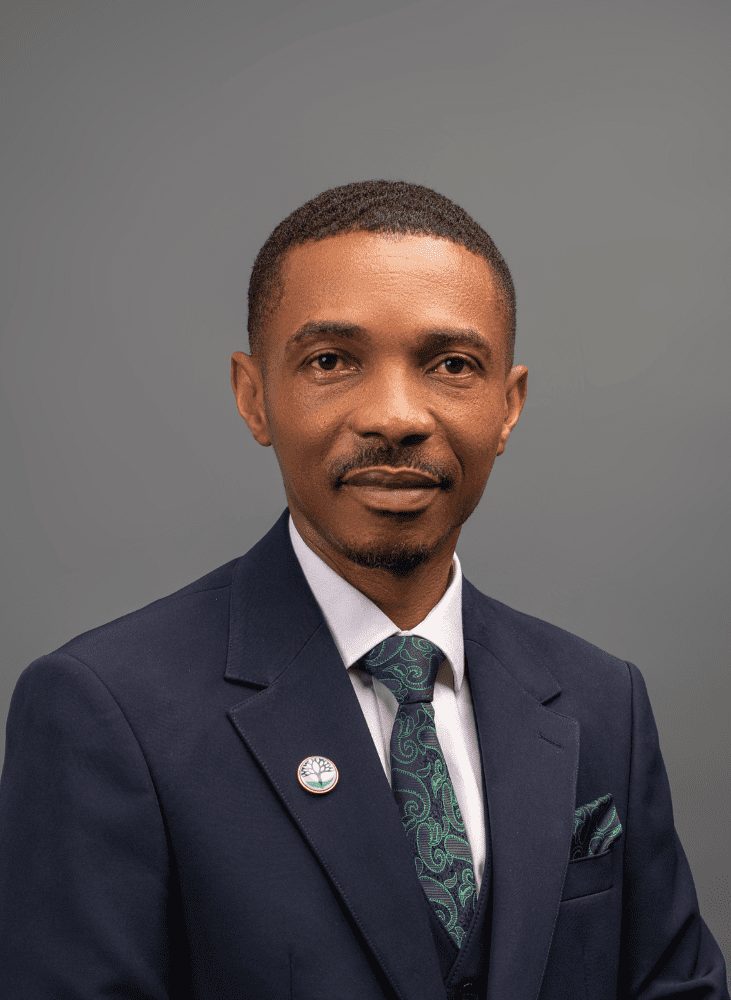
The landscape of medical leadership in Nigeria continues to change as healthcare institutions recognize the critical importance of combining clinical expertise with administrative excellence. At R-Jolad Hospitals, we’re proud to announce two significant leadership appointments that exemplify the caliber of medical professionals driving healthcare transformation across Nigeria: Dr. Oteguonor Ogumor as Medical Administrator and Dr. Oluyemi Oloje as Consultant Family Physician.
These strategic appointments reflect our commitment to building strong medical leadership Nigeria will be proud of, where clinical excellence and operational effectiveness merge to create improved patient care. The hiring of these accomplished professionals to become part of our leadership team is not just a case of new staff—it is a testament to our continued growth as a world-class healthcare institution dedicated to creating new standards for medical leadership in Nigeria.
The Key Role of Medical Leadership Nigeria in Healthcare Transformation
Medical leadership Nigeria is bounded by specific challenges that require a compassionate balance between scientific expertise, administrative skill, and sociocultural sensitivity. The healthcare system in Nigeria must possess leaders who have the ability to handle complex regulatory systems, organize different populations of patients, and trigger innovation with the long-term aims of maintaining high standards of patient care.
Successful medical leadership in Nigeria requires specialists who understand both clinical differences of practicing medicine in diverse Nigerian societies and administrative differences of running modern healthcare facilities. Double expertise becomes essential as Nigerian hospitals transform according to global standards while serving local populations with diverse socioeconomic backgrounds and healthcare needs.
The appointments of leaders like Dr. Ogumor and Dr. Oloje are a reflection of how visionary healthcare organizations are making investments in all-around leadership development. These individuals not only have medical education but the visionary leadership spirit required to guide healthcare organizations across Nigeria’s constantly changing medical landscape.
Dr. Oteguonor Ogumor: The Epitome of Healthcare Administration Excellence
The new Medical Administrator, Dr. Oteguonor Ogumor, is the type of medical leadership Nigeria needs to build its healthcare systems. Dr. Ogumor, a seasoned medical doctor with more than a decade in Healthcare Leadership, is the type of dual expertise required in present-day medical leadership.
Healthcare administration in Nigeria is defined by its own particular set of unique challenges that require leaders familiar with both clinical realities and operational imperatives. Dr. Ogumor’s experience places him well to manage everything from managing staff and resource allocation to quality assurance and regulatory compliance—all key features of effective medical leadership that Nigeria’s healthcare institutions require.
His leadership philosophy centers on establishing operational excellence that directly equates to improved patient care. It recognizes that administrative and clinical excellence aren’t mutually exclusive—they’re complementary pieces of total healthcare delivery that best describe effective medical leadership in Nigeria.
Dr. Ogumor has had experience leading healthcare teams in various specialties, streamlining hospital operations, and introducing quality improvement projects that improve patient outcomes and staff satisfaction. Such a wide-ranging experience places him in the best position to run R-Jolad Hospitals’ administrative affairs at a time of growth and expansion.
Dr. Oluyemi Oloje: Propelling Family Medicine Leadership
Dr. Oluyemi Oloje’s appointment as Consultant Family Physician is another such addition of medical leadership Nigeria’s healthcare system has been calling for. Family medicine is the foundation of integral healthcare delivery, with ramifications requiring that leaders be skilled at working complex patient relationships and clinical excellence across various medical specialties.
Nigerian family medicine leadership comes with its own particular set of challenges, e.g., handling patients of different socioeconomic background, managing both acute and chronic diseases, and acting as the primary healthcare coordinator for families. Dr. Oloje’s credentialing for delivering patient-centered, holistic care is proof of clinical leadership that elevates healthcare centers.
His philosophy of family medicine focuses on continuity of care, preventive health practices, and whole-person patient management—cepts that resonate well with contemporary medical leadership Nigeria’s healthcare transition requires. In prioritizing overall care, Dr. Oloje articulates the move toward more holistic, patient-focussed models of healthcare delivery.
The appointment of experienced family medicine professionals to leadership roles is evidence of growing recognition that primary care excellence is the pillar of well-functioning healthcare systems. Dr. Oloje’s experience will be instrumental in setting care guidelines that improve patient outcomes while optimizing resource utilization.
Healthcare Administration: The Pillar of Medical Excellence
Effective healthcare administration is the backbone of successful medical leadership Nigeria’s hospitals depend on. As a Medical Administrator, Dr. Ogumor is responsible for relevant tasks that directly affect the quality of patient care, staff satisfaction, and efficiency.
Nigerian medical administration involves the management of complex regulations, coordination of multidisciplinary care, and adherence to local and global healthcare standards. Such administrative functions must be performed by administrators who understand clinical operations but possess the management skills necessary to ensure optimal organizational performance.
Modern medical administration transcends traditional management roles to include strategic planning, quality improvement, and innovative leadership. Dr. Ogumor’s experience prepares him to address these expanded responsibilities with the overriding mission of delivering exceptional patient care.
Combining clinical practice with administrative expertise yields medical leaders capable of making informed decisions on resource allocation, staff development, and quality enhancement. This is the sort of medical leadership Nigeria’s health reformation requires.
Building Effective Healthcare Teams
Health leadership Nigeria is also emphasizing team-based delivery models that require coordination among various healthcare professionals with stringent patient care standards. Dr. Ogumor and Dr. Oloje both possess experience in creating and leading efficient healthcare teams.
Healthcare leadership as a team requires guiding doctors, nurses, technicians, and administrative staff while ensuring seamless coordination between different departments and specialties. This calls for communication skills, conflict management, and inspiring professional groups of various backgrounds towards common goals.
Successful healthcare teams require leaders who possess the capacity to reconcile professional development at the individual level with team performance objectives. Dr. Ogumor’s administrative and Dr. Oloje’s clinical background are complementary, resulting in improved team effectiveness.
Creating high-performing healthcare teams also requires leaders who are capable of promoting evidence-based practices, compliance with quality measures, and establishing continuous improvement cultures. These are the competencies required for medical leadership Nigeria’s healthcare advancement.
Quality Improvement and Patient Safety Leadership
Contemporary medical leadership Nigeria emphasizes quality enhancement and patient safety as core mandates. Each of the new appointments has prior experience with the initiation of quality assurance programs, tracking patients’ outcomes, and the establishment of safety measures that keep patients safe while maximizing care provision.
Healthcare quality improvement demands executives who are able to interpret intricate data, recognize opportunities for improvement, and make changes that optimize patient outcomes. This data-driven approach to healthcare management is a step forward in medical leadership Nigeria’s hospitals are adopting more and more.
Patient care safety leadership involves creating environments within which healthcare staff feel at ease to report accidents, suggest improvements, and be involved in continuous learning processes. Dr. Ogumor’s administrative background and clinical background of Dr. Oloje provide the foundation upon which to develop comprehensive safety initiatives.
The application of quality improvement ideas to the day-to-day working of healthcare requires effective leaders who strike a balance between efficiency and completeness to guarantee that process optimization does not compromise patient care quality. This balance is crucial in effective medical leadership within Nigeria’s diverse healthcare environment.
Professional Development and Medical Education
Good medical leadership Nigeria involves being responsible for professional development and medical education initiatives for the purpose of ensuring perpetual improvement in health care delivery. The two appointments are equipped with experience in counseling health care professionals and planning career development programs.
Medical education leadership involves planning training programs, launching continuing education programs, and embracing cultures of lifelong learning by health care professionals. Such educational functions are responsible in guaranteeing high levels of patient care.
Professional development initiatives require leaders who can identify individual strengths, provide focused development opportunities, and build career development channels that retain skilled healthcare professionals. This human resource development aspect of medical leadership becomes increasingly important as competition for qualified healthcare staff intensifies.
The integration of professional development and education into daily healthcare operations creates learning spaces that benefit both patients and healthcare workers. Such an educational focus characterizes forward-thinking medical leadership Nigeria’s healthcare centers increasingly embrace.
Financial Management and Resource Optimization
Modern medical leadership Nigeria involves significant fiscal management responsibilities requiring knowledge of healthcare economics, resource utilization, and cost-effective provision of care. Both new roles involve experience with the management of healthcare resources without compromising standards.
Healthcare financial management involves balancing competing demands such as quality of patient care, employee satisfaction, technological advancement, and organizational sustainability. These financial leadership competencies are essential for healthcare organizations operating within Nigeria’s economic environment.
Resource optimization requires medical leaders who can identify areas for efficiency, eliminate waste, and optimize the value obtained from healthcare expenditure. Such a data-driven approach to resource management fuels financial performance as well as patient outcomes.
Merging clinical excellence and financial management requires decision-makers who can make resource deployment choices while monitoring the quality of care provided to the patient. Such an integrated approach characterizes great medical leadership Nigeria’s healthcare centers require.
The Future of Medical Leadership Nigeria
The appointments of Dr. Ogumor and Dr. Oloje are the future of medical leadership Nigeria’s health organizations are embracing. This future is defined by integrative leadership styles that bring together clinical competence, administrative ability, and vision.
Nigeria’s medical future will increasingly require individuals who can balance technological advancement, regulatory reform, and changing patient expectations while maintaining the very mission of delivering top-of-the-line healthcare. These are abilities that require continuous learning and adaptability.
Growing the next generation of medical leaders requires mentoring efforts, career development initiatives, and career advancement opportunities that teach healthcare workers for broader leadership positions. These are investments in leadership training that matter to Nigeria’s health future.
Medical leadership Nigeria will continue to move in the direction of more multidisciplinary, patient-focused, and community-based approaches that take advantage of the interdependent nature of modern healthcare delivery. Our R-Jolad Hospital appointments testify to our commitment to this advancement.
Impact on Healthcare Excellence
The hiring of Dr. Ogumor and Dr. Oloje to the leadership of R-Jolad Hospitals represents more than a matter of individual recruitment—it is a reflection of our commitment to the kind of complete medical leadership Nigeria’s healthcare advancement requires. Collectively, their background in healthcare administration and family medicine creates synergies that support our overall healthcare delivery platform.
Excellence in health care is a result of combining clinical competencies, administrative efficiency, and patient-centered delivery of care. New employees’ leadership competencies assist us in advancing all three fronts simultaneously and still focusing on taking care of a multitude of diverse patient populations.
The power of sound medical leadership extends beyond patient care to encompass training of staff, process re-engineering, and community health initiatives that yield long-term improvement to the patients we serve. That far-reaching impact characterizes the medical leadership Nigeria’s healthcare facilities must seek to provide.
Commitment to Continuous Improvement
R-Jolad Hospitals’ investment in medical leadership is our commitment to ongoing improvement in all aspects of healthcare provision. Our administrative expertise from Dr. Ogumor and our clinical expertise from Dr. Oloje form the foundation for ongoing improvement of our services, processes, and patient outcomes.
Continuing betterment in healthcare requires leaders capable of identifying opportunities, implementing change, and monitoring results with stability in core services. The experience brought on by both new additions enables us to proceed on improvement projects with confidence.
It is the culture of continuous improvement that successful medical leadership espouses that enables the healthcare professionals to feel that they can bring improvements forward, be engaged in quality programs, and contribute to organizational excellence. It is an evolution of culture which results in long-term healthcare success.
Conclusion: Strengthening Nigeria’s Healthcare Future
The recruitment of Dr. Oteguonor Ogumor and Dr. Oluyemi Oloje is evidence of the commitment of R-Jolad Hospitals towards the kind of medical leadership Nigeria needs to cultivate in an effort to improve its health systems. With their collective healthcare administration and family medicine experience, our firm is poised to continue delivering top-notch care while contributing to the broader development of medical leadership capabilities in all of Nigeria.
These strategic appointments demonstrate how health organizations can build leadership groups with clinical competence and administrative skills, building synergies that benefit patients, staff, and the broader community. The healthcare leadership Nigeria future relies on the kind of integrated thinking that recognizes the interconnected nature of modern healthcare delivery.
As we welcome Dr. Ogumor and Dr. Oloje as part of the R-Jolad family, we look forward to the lasting contributions they will make towards our quest for healthcare excellence. They will guide R-Jolad Hospitals to stay at the vanguard of setting medical leadership Nigeria can be proud of and be a model for healthcare facilities across the country.
The investment in medical leadership is an investment in the future healthcare of Nigeria. In recruiting and developing top medical leaders, we are contributing our share to the big picture of a healthcare system that caters to the needs of all Nigerians to the optimal standards of clinical excellence and patient care.