




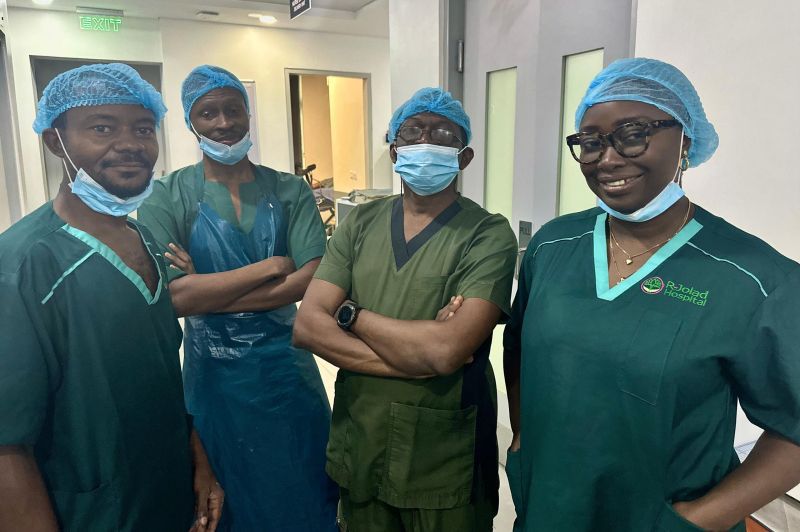
Every year on May 1st, workers around the world are celebrated for their dedication, resilience, and contributions to society. International Workers’ Day, also known as Labour Day in many countries, is a time to reflect on the struggles, triumphs, and sacrifices of the workforce. Factories, offices, markets, and industries take a collective pause to honour the spirit of labour. But amidst the parades, speeches, and rallies, one group of professionals often continues working tirelessly — our doctors.
Doctors rarely take the day off, even on a day meant to recognize workers. Their work transcends the boundaries of time, holidays, and celebrations. Illness does not rest because of a public holiday. Accidents do not take note of the calendar. Emergencies do not schedule themselves around cultural commemorations. For doctors, the oath to serve humanity overrides the rhythm of regular work-life balance.
This blog explores the unique sacrifices doctors make, why International Workers’ Day is an especially meaningful moment to honour them, and how societies can show deeper appreciation for these unsung heroes who continue working while others rest.
A Brief History of International Workers’ Day
To understand why it is significant to honour doctors on this day, it is important to revisit the origins of International Workers’ Day.
- The Haymarket Affair (1886): The roots of the day trace back to Chicago, where workers protested for the eight-hour workday. Violence broke out, lives were lost, and the struggle became immortalized as a symbol of the fight for workers’ rights.
- Global Recognition: Today, International Workers’ Day is observed in over 80 countries. It symbolizes unity, resilience, and respect for all forms of labour.
- A Day of Rest: For most workers, May 1st is a day of rest and recognition. But for certain professions, especially healthcare, it remains another day of service.
This brings us to doctors — professionals whose labour is not bound by clock-ins and clock-outs.
Why Doctors Rarely Take a Day Off
Doctors work under a reality shaped by urgency, unpredictability, and responsibility. Unlike many professions, their work is not easily paused. Here’s why:
- Medical Emergencies Have No Schedule: Emergencies, whether heart attacks, strokes, accidents, or childbirth complications, do not take breaks.
- Hospitals Run 24/7: Unlike offices and shops, hospitals never close. They require constant staffing, with doctors at the core of operations.
- Patient Trust and Dependence: Patients depend on doctors’ presence. For someone in critical condition, waiting an extra day is not an option.
- Ethical and Professional Duty: Doctors take the Hippocratic Oath, pledging to put patient care above personal convenience.
- Pandemic Lessons: COVID-19 showed the world that when everything else shuts down, healthcare remains at the frontline.
On International Workers’ Day, while most workers are celebrated for their past contributions, doctors are often actively working — still writing prescriptions, performing surgeries, and delivering babies.
Doctors as Workers: The Often Overlooked Labour
It may seem odd to call doctors “workers” because the profession is often seen as prestigious and noble. Yet, doctors are workers in the truest sense:
- Long Shifts: Many doctors work 12–36 hour shifts.
- Mental and Physical Strain: Constantly making life-and-death decisions takes a toll.
- Training as Labour: Years of grueling study, internships, and residencies are unpaid or underpaid labour.
- Risk to Personal Health: Doctors risk exposure to infectious diseases, stress-related conditions, and even violence from patients or their families.
Recognizing doctors as workers is crucial because it reframes them not just as privileged professionals, but as labourers who deserve protection, fair compensation, and rest.
Stories of Doctors Who Worked While the World Rested
Throughout history and across the globe, there are countless examples of doctors whose service never paused:
- During Pandemics: Doctors treated Ebola, SARS, and COVID-19 patients under high risk, even when the world shut down.
- In Conflict Zones: War-zone doctors like those with Médecins Sans Frontières (Doctors Without Borders) work amid bombings and shortages.
- In Rural Communities: Doctors in underserved areas often become the only hope for villages, working day and night.
- Holiday Sacrifices: Emergency room doctors spend Christmas, New Year’s, and yes, Labour Day, at work instead of with family.
These stories remind us that doctors’ labour is continuous, sacrificial, and indispensable.
The Global Picture: Doctors Around the World
Different countries celebrate doctors differently, but challenges are universal:
- Nigeria & Africa: Doctors battle with brain drain, poor infrastructure, and overwhelming patient loads.
- Europe: Healthcare systems are more structured, but burnout is rising due to aging populations.
- Asia: Countries like India and China face massive patient-doctor ratios, putting immense pressure on physicians.
- America: Despite advanced technology, U.S. doctors face high stress due to insurance complexities and lawsuits.
Across borders, doctors share the common thread of unrelenting service.
Challenges Doctors Face as Workers
International Workers’ Day is a good moment to reflect on the challenges doctors face:
- Burnout and Mental Health Struggles: High stress often leads to depression, anxiety, or even suicide among doctors.
- Understaffing: One doctor often serves hundreds or thousands of patients.
- Violence and Harassment: In some regions, doctors face assaults from frustrated patients or families.
- Inadequate Compensation: Despite years of training, many doctors are underpaid.
- Work-Life Imbalance: Doctors often sacrifice family time, hobbies, and personal growth for patient care.
These challenges underscore the need for society to view doctors not just as healers, but as workers deserving protection and rights.
Honouring Doctors on International Workers’ Day
How then can we properly honour doctors on this special day? Here are some ways:
- Public Recognition: Governments, unions, and communities can highlight doctors’ sacrifices during Labour Day speeches and parades.
- Hospital Appreciation Programs: Patients and staff can organize thank-you events for doctors working on May 1st.
- Better Policies: Ensuring fair wages, mental health support, and work-life balance is the best tribute.
- Media Storytelling: Articles, documentaries, and features can spotlight doctors’ daily struggles.
- Community Support: Citizens can show gratitude through gestures such as thank-you notes, social media campaigns, or donations to healthcare support initiatives.
True honour lies not only in words, but in creating systems that respect doctors as workers.
Doctors as Everyday Heroes
The phrase “Not all heroes wear capes” fits doctors perfectly. While they may wear lab coats instead of capes, their heroism is undeniable:
- They save lives daily.
- They bring comfort in pain.
- They face crises without fleeing.
- They continue learning to improve care.
This International Workers’ Day, we must remind ourselves that our health — and often our very lives — are safeguarded by these silent heroes who cannot afford the luxury of resting when the world rests.
The Future of Doctors as Workers
As we look ahead, the role of doctors as workers is evolving:
- Technology in Medicine: Artificial Intelligence, telemedicine, and robotics are reshaping healthcare, but human doctors remain irreplaceable.
- Global Health Collaboration: More cross-border sharing of medical knowledge and personnel.
- Policy Changes: Advocating for reduced working hours and better compensation.
- Patient Awareness: More patients are recognizing the need to respect doctors’ humanity.
If we can build a future where doctors are respected both as professionals and as workers, society as a whole will thrive.
Conclusion
International Workers’ Day is more than a historical commemoration. It is a call to honour all forms of labour, especially those often overlooked. Doctors embody the spirit of tireless service, and their work does not pause even when the world celebrates rest.
By highlighting their sacrifices, struggles, and heroism, we not only appreciate their role but also ignite a broader conversation about protecting and supporting them as workers.
So, as parades march and speeches echo this May 1st, let us remember: Not all heroes take the day off. Some heroes, our doctors, keep working so that society can continue to live, heal, and hope.