


Pregnancy is an exciting journey, but if you’re expecting your first baby, it’s also natural to have questions.
When should I book my first antenatal appointment?
How often should I see my doctor?
Which scans are necessary?
What foods should I eat?
How will I know when labour begins?
These are some of the most common questions our Obstetrics & Gynaecology specialists hear from expectant mothers every day.
The good news is that with the right antenatal care, most pregnancies progress safely, allowing both mother and baby to remain healthy throughout pregnancy and delivery.
At R-Jolad Hospital, we have supported thousands of women through pregnancy, childbirth and postnatal care. Whether you’re newly pregnant or planning for your first baby, this comprehensive guide explains everything you need to know about antenatal care in Nigeria.
What Is Antenatal Care?
Antenatal care (also called prenatal care) refers to the regular medical care a woman receives throughout pregnancy to monitor both her health and the baby’s development.
These routine visits help healthcare providers:
- Confirm that your pregnancy is progressing normally.
- Monitor your baby’s growth.
- Detect complications early.
- Provide vaccinations where appropriate.
- Offer nutritional and lifestyle guidance.
- Prepare you for labour, delivery and parenthood.
The World Health Organization recommends at least eight antenatal contacts during pregnancy. However, depending on your health and pregnancy, your obstetrician may recommend more frequent visits.
Why Is Antenatal Care So Important?
Many pregnancy complications develop gradually and may not cause obvious symptoms at first.
Regular antenatal care helps identify and manage conditions such as:
- High blood pressure (pre-eclampsia)
- Gestational diabetes
- Anaemia
- Infections
- Multiple pregnancies (twins or more)
- Placenta-related complications
- Fetal growth concerns
- Breech presentation
- Premature labour
Early diagnosis allows timely treatment, improving outcomes for both mother and baby.
When Should You Book Your First Antenatal Appointment?
One of the biggest mistakes many first-time mothers make is waiting until the second or third trimester before registering for antenatal care.
Ideally, you should schedule your first antenatal visit as soon as you confirm your pregnancy, preferably between 6 and 10 weeks.
Early booking allows your healthcare team to:
- Confirm the pregnancy.
- Estimate your due date accurately.
- Arrange essential blood tests.
- Identify any existing medical conditions.
- Start pregnancy supplements such as folic acid.
- Discuss your medical and family history.
What Happens During Your First Antenatal Visit?
Your first appointment is usually the longest because it establishes your pregnancy care plan.
Your doctor or midwife may:
Review Your Medical History
You’ll be asked about:
- Previous pregnancies (if any)
- Existing medical conditions
- Current medications
- Allergies
- Family medical history
- Lifestyle factors
Perform a Physical Examination
This may include:
- Blood pressure
- Weight and height
- Body Mass Index (BMI)
- General physical examination
Request Laboratory Tests
Common investigations include:
- Full blood count
- Blood group and Rhesus factor
- Blood sugar screening
- HIV screening
- Hepatitis B and C
- Syphilis screening
- Urinalysis
- Urine culture (if indicated)
Arrange an Ultrasound Scan
Your first pregnancy scan confirms:
- Baby’s heartbeat
- Gestational age
- Estimated due date
- Number of babies
- Pregnancy location
Your Antenatal Visit Schedule
Although every pregnancy is unique, many women follow a schedule similar to this:
Up to 28 Weeks
Appointments every four weeks.
28–36 Weeks
Appointments every two weeks.
36 Weeks Until Delivery
Weekly appointments until your baby arrives.
Women with high-risk pregnancies may require more frequent monitoring.
Pregnancy Scans You May Need
Ultrasound scans provide valuable information throughout pregnancy.
Dating Scan
Usually performed during the first trimester to estimate your due date accurately.
Anomaly Scan
Typically performed between 18 and 22 weeks to assess your baby’s anatomy and development.
Growth Scan
May be recommended later in pregnancy to monitor fetal growth, amniotic fluid levels and placental function.
Your obstetrician will advise which scans are appropriate for your pregnancy.
Nutrition During Pregnancy
Healthy nutrition supports your baby’s growth and your own wellbeing.
Aim for a balanced diet rich in:
- Fruits
- Vegetables
- Whole grains
- Lean proteins
- Dairy products
- Healthy fats
Important nutrients include:
Folic Acid
Supports healthy brain and spinal cord development, particularly in early pregnancy.
Iron
Helps prevent anaemia and supports increased blood production.
Calcium
Essential for your baby’s developing bones and teeth.
Protein
Supports tissue growth and fetal development.
Water
Adequate hydration is important throughout pregnancy.
Avoid alcohol and smoking, and limit caffeine according to your healthcare provider’s advice.
Common Pregnancy Symptoms
Many symptoms are normal, especially during the first trimester.
These include:
- Morning sickness
- Fatigue
- Frequent urination
- Breast tenderness
- Food cravings
- Mild swelling
- Back pain
- Heartburn
However, always speak to your doctor if symptoms become severe or concerning.
Warning Signs You Should Never Ignore
Seek immediate medical attention if you experience:
- Heavy vaginal bleeding
- Persistent severe abdominal pain
- Severe headache
- Blurred vision
- Sudden swelling of the face or hands
- Reduced baby movements
- High fever
- Convulsions
- Leakage of fluid before labour
- Difficulty breathing
Prompt medical evaluation can be lifesaving for both mother and baby.
Exercise During Pregnancy
Most women benefit from regular physical activity during pregnancy.
Suitable activities include:
- Walking
- Swimming
- Prenatal yoga
- Stretching exercises
Always consult your obstetrician before beginning or continuing an exercise programme.
Preparing for Labour
As your due date approaches, your healthcare team will help you prepare by discussing:
- Signs of labour
- Birth preferences
- Pain relief options
- Normal delivery
- Caesarean section when medically indicated
- Breastfeeding
- Newborn care
Packing your hospital bag by 34–36 weeks is recommended.
Choosing the Right Maternity Hospital
Selecting where you will deliver is one of the most important pregnancy decisions.
Look for a hospital that offers:
- Experienced Obstetricians & Gynaecologists
- Qualified midwives
- Modern labour and delivery suites
- Emergency obstetric services
- Operating theatres for emergency Caesarean sections
- Neonatal care
- Diagnostic imaging
- Laboratory services
- Blood bank support
- Postnatal care
- Breastfeeding support
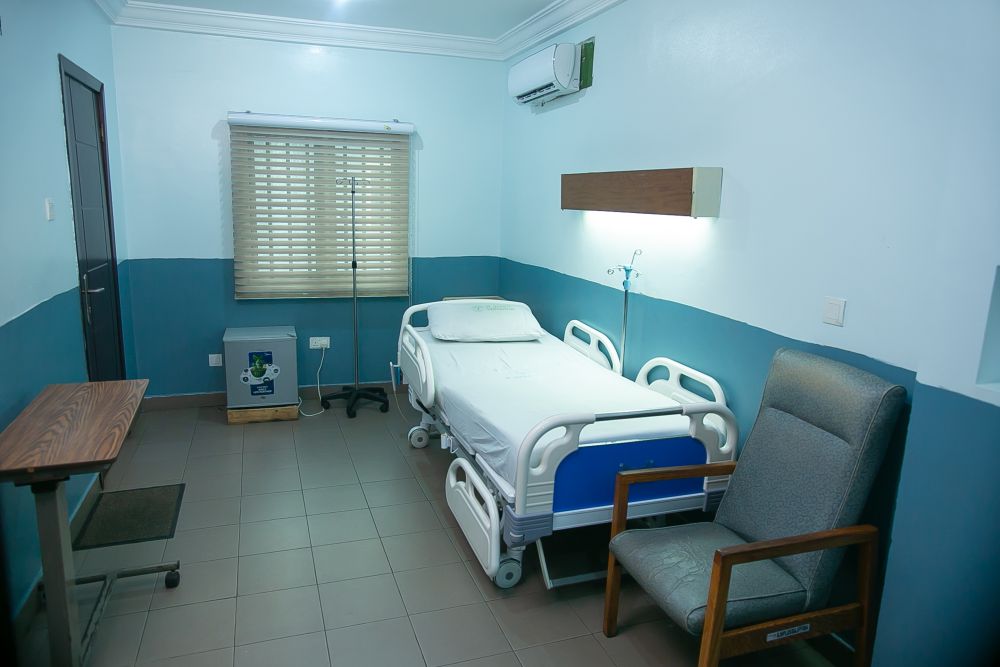
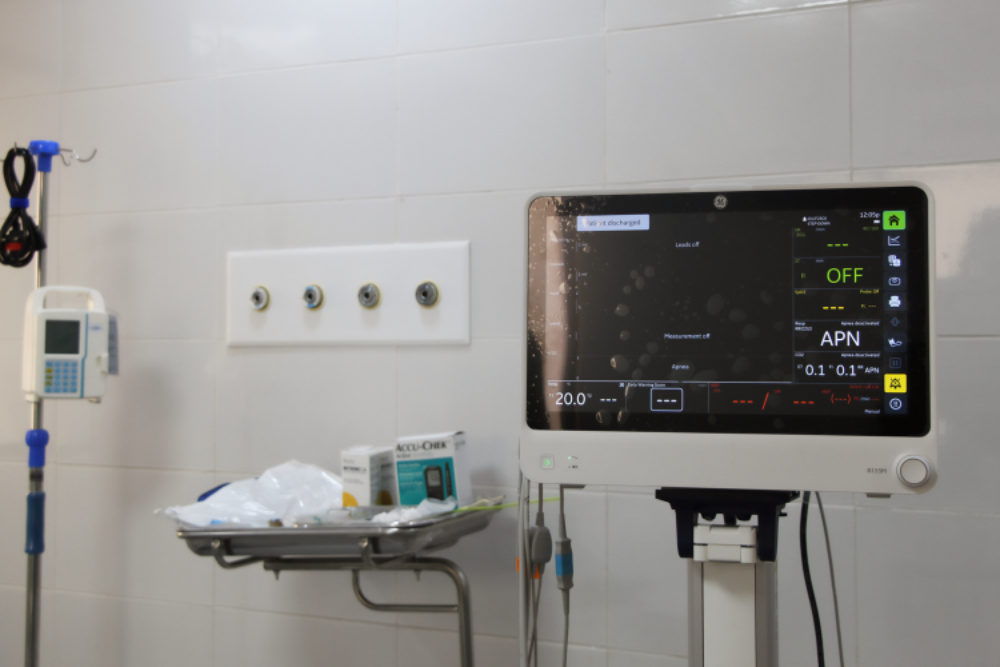
Choosing a hospital with comprehensive maternity services ensures both routine and emergency care are available if needed.
Why Choose R-Jolad Hospital for Your Pregnancy?
For decades, families have trusted R-Jolad Hospital for compassionate, high-quality maternity care.
Our Obstetrics & Gynaecology team provides:
- Comprehensive antenatal care
- Consultant-led pregnancy management
- High-risk pregnancy care
- Pregnancy ultrasound services
- Labour and delivery
- Elective and emergency Caesarean sections
- Pain management during labour
- Neonatal support
- Postnatal care
- Family planning services
Our multidisciplinary team works together to provide personalised care from your first antenatal visit through delivery and beyond.
Frequently Asked Questions
When should I start antenatal care?
You should book your first antenatal appointment as soon as your pregnancy is confirmed, ideally between 6 and 10 weeks.
How many antenatal visits do I need?
The World Health Organization recommends at least eight antenatal contacts during pregnancy, although your doctor may recommend more depending on your individual needs.
Can I have a healthy pregnancy if I am over 35?
Yes. Many women over 35 have healthy pregnancies. Early booking and regular antenatal care are especially important to monitor maternal and fetal health.
What should I bring to my first antenatal appointment?
Bring any previous medical records, a list of current medications, details of your last menstrual period (if known), your identification and any questions you would like to ask your healthcare provider.
Is every pregnancy scan necessary?
Your obstetrician will recommend scans based on your stage of pregnancy and clinical needs. Ultrasound examinations provide valuable information about your baby’s growth and wellbeing.
How do I know if I need a Caesarean section?
A Caesarean section is recommended only when medically indicated. Your obstetrician will discuss the safest delivery option for you and your baby.
Book Your Antenatal Appointment Today
Your pregnancy deserves expert care from a team committed to your health and your baby’s wellbeing.
Whether you’re planning your first pregnancy, expecting your first baby or looking for a trusted maternity hospital in Lagos, the Obstetrics & Gynaecology team at R-Jolad Hospital is here to support you at every stage.
Our specialists provide compassionate, evidence-based maternity care in a safe and welcoming environment, helping you make informed decisions with confidence.
Book your antenatal appointment today and take the first step towards a healthy pregnancy and a safe delivery.